


BYD has spent the last decade evolving from a battery company that happened to make cars into a global automotive juggernaut that happens to make its own batteries. As we move through 2026, the distance between BYD and the rest of the field isn’t just measured in sales volume—it’s measured in the speed of iteration. While traditional OEMs struggle with four-year mid-cycle refreshes, BYD is moving at "China speed," treating automotive hardware with the urgency of smartphone releases.
The global debut of the BYD ATTO 3 EVO is the latest shot across the bow. It isn't just a facelift; it is a tactical upgrade to the most critical part of the EV ownership experience: the charging curve. By bringing 10–80% charging down to a validated 25 minutes, BYD is addressing the "time-anxiety" that has replaced "range-anxiety" as the primary barrier to mass adoption.
BYD’s Dominance in the 2026 EV Landscape
In 2026, BYD has successfully transitioned from a regional leader to a global price-setter. Their secret weapon remains their vertical integration. Unlike competitors who are beholden to external battery suppliers and chip shortages, BYD’s control over its supply chain—from lithium mines to the BYD Blade Battery cells—allows them to maintain margins that would make a legacy automaker weep.
Currently, BYD is effectively bifurcating the market. On one end, they have the high-end Yangwang brand pushing the limits of tank turns and water-wading capabilities; on the other, the Ocean and Dynasty series provide accessible entry points. The Top 10 Electric Cars list frequently highlights how varied the competition has become, yet BYD consistently finds itself in the top tier for "bang for the buck." Recent 2026 data shows BYD maintaining a staggering 13.8% global EV battery market share, second only to CATL, underscoring their industrial might.
The ATTO 3 EVO: Form Meets Function
The ATTO 3 (part of the Yuan family in China) has long been BYD’s most successful global ambassador. It’s a C-segment SUV that doesn’t try to look like a spaceship, but rather a polished, contemporary commuter. The "EVO" designation for 2026 brings more than just a sharper "Dragon Face" aesthetic; it brings the BYD e-Platform 3.0 Evo architecture.
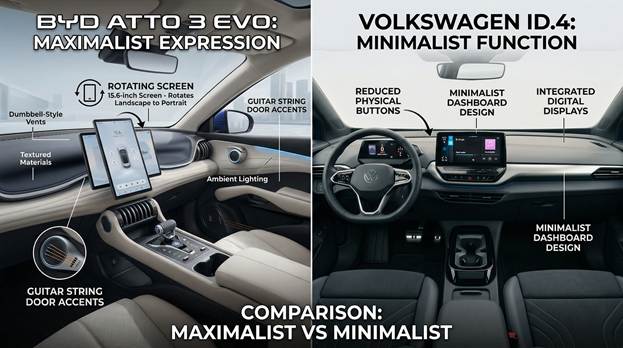
The interior remains a point of conversation—and a bit of a polarizing one. The "gym-inspired" design, featuring guitar-string door pockets and treadmill-style air vents, remains. While some find it whimsical, others find it busy. However, the 15.6-inch rotating touchscreen is now faster, powered by a new 6nm cockpit chip that finally eliminates the lag seen in earlier iterations.
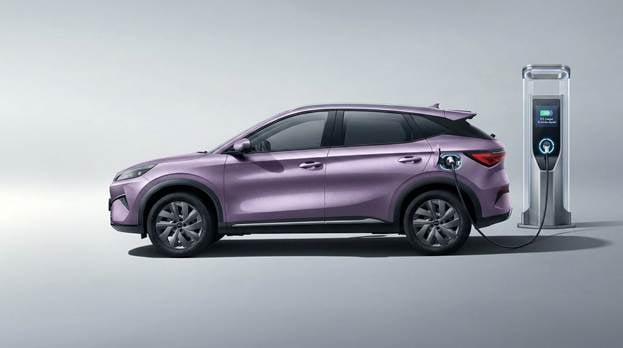
The 25-Minute Revolution
The headline feature of the EVO is the 25-minute 10–80% DC charging time. In a world where many entry-level EVs still take 40 to 50 minutes to hit that 80% mark, this change is transformative. It moves the ATTO 3 from a "city car" to a legitimate "road trip" contender.
This is made possible by the move to a high-voltage 800V architecture within the e-Platform 3.0 Evo, allowing for peak DC charging speeds of up to 220kW. For context, the original Atto 3 topped out at a modest 88kW. This effectively doubles the charging performance, ensuring that a quick coffee break is all it takes to add significant range.
The Ideal Owner: Who is the ATTO 3 EVO For?
The ideal owner for the ATTO 3 EVO is the "Pragmatic Tech Enthusiast." This is someone who wants the benefits of a modern EV—over-the-air (OTA) updates, a great app ecosystem, and low running costs—but refuses to pay the "luxury tax" associated with legacy brands.
It is particularly well-suited for suburban families who need a primary vehicle capable of handling the daily school run and a 300-mile weekend getaway. Because of its V2L (Vehicle-to-Load) capabilities, it also appeals to the outdoor crowd, allowing the car to act as a massive power bank for appliances at a campsite.
Competitive Analysis: ATTO 3 EVO vs. The World
To understand where the ATTO 3 EVO stands, we have to look at its primary rivals: the Volkswagen ID.4 and the Hyundai IONIQ 5.
Where it Wins:
- Charging Efficiency for the Price: While the IONIQ 5 can charge slightly faster (18 minutes), it typically carries a higher price tag. The ATTO 3 EVO offers high-end 800V speeds at a more accessible price point.
- Performance Tiers: The EVO Excellence trim offers a dual-motor AWD setup with 449PS, delivering a 0–62mph time of just 3.9 seconds, which embarrasses most "sporty" SUVs in this class.
- Battery Safety: The Blade Battery is inherently more durable over long-term cycles than the NCM (Nickel Cobalt Manganese) chemistry found in the ID.4.
Where it Falls Short:
- Software Localization: While the hardware is world-class, BYD’s software UI can still feel "translated" compared to the deep integration of Google Automotive found in Volvo or Polestar vehicles.
- Driving Dynamics: As noted in initial reviews of the ATTO 3 EVO, the car is tuned heavily for comfort. It can feel "jittery" over potholes and lacks the planted, cornering confidence of the IONIQ 5.
- Brand Equity: In Western markets, BYD is still building trust. Resale values remain a variable compared to the "blue chip" status of established players.
Strategic Implications for the Global Market
The ATTO 3 EVO represents the "Good Enough" point for EVs. For years, EVs were either expensive toys or compromised city cars. With a 25-minute charge time and a WLTP range of up to 316 miles, the compromise is effectively gone.
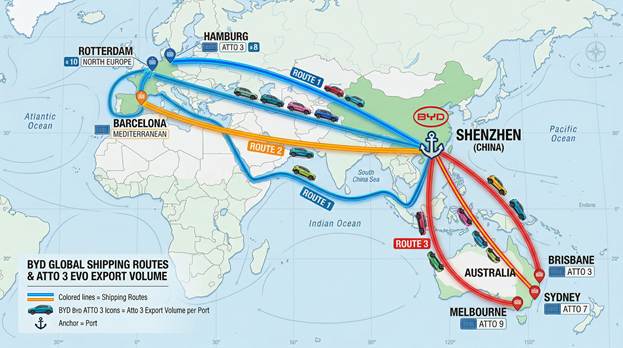
BYD’s aggressive move into shipping—literally building their own car-carrier ships like the BYD Explorer No. 1 - means they are bypassing the logistics bottlenecks that have slowed down other importers. This allows them to flood markets with the ATTO 3 EVO just as demand for affordable electric SUVs is peaking.
Wrapping Up
The BYD ATTO 3 EVO is a testament to the power of vertical integration and rapid iteration. By focusing on the "pain points" of EV ownership—specifically charging speed and infotainment lag—BYD has refined an already successful platform into a formidable global competitor.
While it may not have the brand prestige of a European luxury marque or the software polish of a Silicon Valley startup, its value proposition is nearly impossible to ignore. In 2026, the question isn’t whether you should consider a Chinese EV; the question is whether the legacy automakers can move fast enough to keep up with what BYD is doing right now. The ATTO 3 EVO isn't just a better car; it's a warning to the rest of the industry that the "wait and see" period for electric transition is officially over.
Disclosure: Images rendered by Artlist.io
Rob Enderle is a technology analyst at Torque News who covers automotive technology and battery developments. You can learn more about Rob on Wikipedia and follow his articles on TechNewsWord, TGDaily, and TechSpective.
Set Torque News as Preferred Source on Google
Follow us today...