


Follow us today...




Fast-forward to 2025, where cars have become computers on wheels, and that once-simple transaction now risks turning into a bureaucratic odyssey. The modern vehicle, wired to the cloud and governed by app permissions, has introduced a new kind of purgatory, digital ownership limbo. And that’s exactly where one Tesla Cybertruck buyer found himself after purchasing his dream machine from a GM dealership.
“Just want to discuss how terrible of a process it is when you purchase from a 3rd party(GM dealership), in my case, from a Cybertruck that was leased through Tesla Financial. Long story short, I purchased a Cybertruck over the weekend I even posted about it. The truck was traded into the dealership on a lease on 9/19 and was paid off by the dealership on 9/20. They even received the Ohio title 10/20. I purchased the vehicle on 10/25 and tried to transfer ownership, and received the app message that I cannot transfer the app to myself. I contacted Tesla that day, and they said I needed to send them registration, ID, etc. This was sent to them, and on Monday they emailed me back and said they cannot confirm that this is an issue that is is that they do not know if it is finished through Tesla finance. I called the dealership, and they sent me a picture of the title. I sent the title to them. The dealership did the same thing. They still told me internally that they cannot do anything and are not able to close this out and put the app in my name. So for the past few days, it's been like countless escalations through customer support trying to get a hold of anyone to do anything, and they cannot. This has been paid off by the dealership for 5+ weeks at this point, and should be able to transfer into my name. I sent them the title, bill of sale, etc, yet they are telling me I have to wait it out because their process for 2-3 weeks. I have a single key. I purchased another one and cannot get it to work. Tesla will not help me get it to work because the VIN does not associate with my name! I even tracked down the previous owner and had him call and submit his paperwork to customer service, but nothing. I have never had to go to these lengths to simply transfer a car in my name, ever; it's unreal. Just looking out for anyone else who might fall into this situation when purchasing third-party, or if anyone has any feedback.”
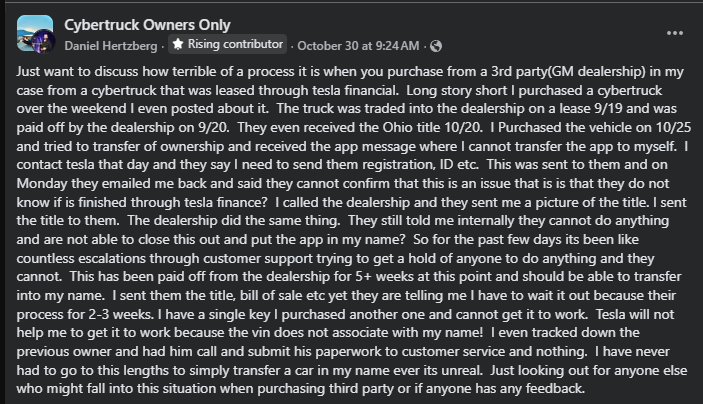
What followed was a chorus of sympathy and speculation from fellow owners. Some pointed to Tesla Finance, others to the dealership, and a few to the growing pains of a system not yet built for resale through traditional channels. Mark Dunn, commenting on the thread, noted that “the problem lies with Tesla Finance and possibly the previous owner. They haven’t transferred the truck to the dealer.” He added that this was likely the first Tesla that the GM store had ever sold, and that the missing digital step in Tesla’s process left Hertzberg stranded between two systems that couldn’t talk to each other.
At its core, this episode illustrates a larger truth about the software-defined vehicle era. Physical possession of the car no longer guarantees ownership of its features. Without the Tesla app confirming that Daniel Hertzberg is the rightful owner, his $100,000 pickup remains partly out of reach. He could start it with the physical key card he received, but he couldn’t pair a new one or access key digital functions like remote monitoring or over-the-air updates. He essentially owned a Cybertruck without the “cyber.”
Other owners chimed in with smoother experiences. Jorge Mario Galeano mentioned that transferring his Model 3 and Model Y took just a day. “All I did was send the 45-day registration in the Tesla app, and the next day it was done.” His point underscores the inconsistency: Tesla’s process works seamlessly when all internal records line up, but when a leased vehicle gets traded to a non-Tesla dealer, those wires can easily cross. The gap between Tesla’s direct-to-consumer model and the traditional dealership world leaves customers like Hertzberg waiting in a digital holding pattern.
How The Tesla Cybertruck Was Designed
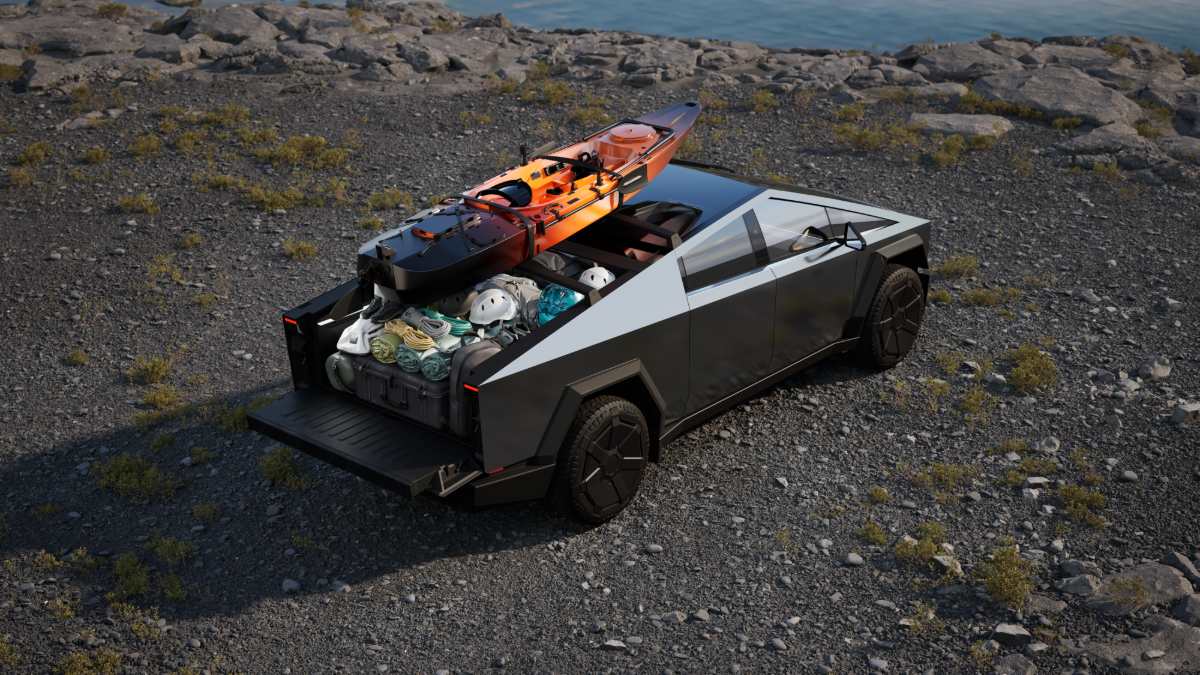
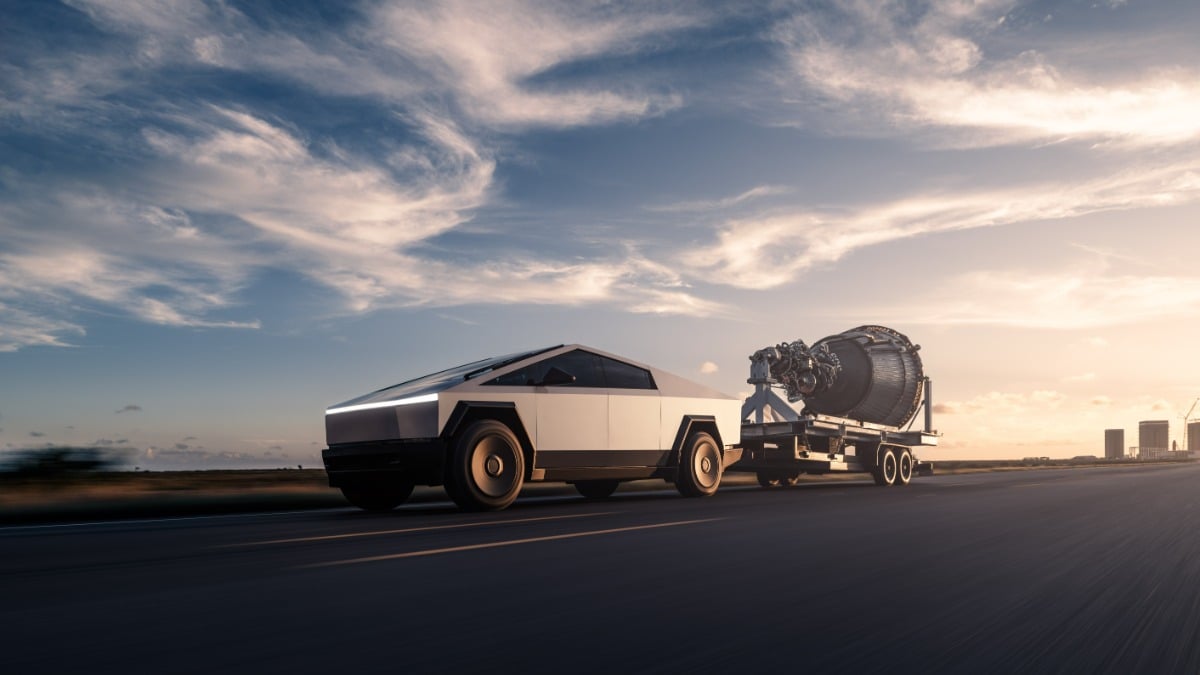
- The Tesla Cybertruck was developed with a focus on durability and performance, featuring an angular exoskeleton made from ultra-hard stainless steel. Its design broke away from traditional automotive shapes to emphasize function over form.
- Tesla’s design team prioritized manufacturing efficiency and strength, using straight lines that reduced tooling complexity. The vehicle’s futuristic look emerged from engineering constraints rather than aesthetic trends.
- Early prototypes went through multiple material tests to balance rigidity with weight distribution. The company’s goal was to create a truck that performed well both on-road and off-road without traditional compromises.
- The minimalist interior reflects Tesla’s philosophy of simplicity and automation, using large digital interfaces and minimal physical controls to modernize the driver experience.
Five days after his initial post, Hertzberg reported that multiple emails to Tesla Support had produced “still nothing.” He was left with a truck, a title, and no control. Van To, another commenter, tried to help by suggesting he could add a second key card if he already had one. That, too, proved impossible without Tesla recognizing him as the legal owner. It’s a modern irony, one can hold every piece of paper that once defined ownership, yet still lack the electronic permission needed to fully possess the product.
This situation reveals an important truth about the intersection of automotive heritage and Silicon Valley innovation. Tesla has changed the way we think about cars, building machines that can update themselves overnight and diagnose their own problems. But this same brilliance can turn brittle when it meets the chaos of real-world transactions. When ownership depends on the synchronization of software, financial records, and cloud servers, a simple paperwork lag can leave even the most advanced vehicle inert.
The broader issue reaches beyond Tesla. Nearly every automaker is embracing connected platforms that tie vital functions to digital accounts. As that ecosystem grows, the act of buying a used car will require as much digital precision as mechanical inspection. In Hertzberg’s case, the human effort required to reclaim ownership, tracking down the previous owner, submitting documents, and sending photos of the title, reflects the need for an updated infrastructure that respects both the technology and the human behind the wheel.
For now, Daniel Hertzberg’s Cybertruck sits as a symbol of our transitional era, one where paper titles and cloud accounts share equal authority. His frustration is not just with a company or a dealership but with a system adjusting to its own innovation. The lesson here is simple and profound: as cars continue to evolve into intelligent machines, manufacturers must ensure that the path to ownership remains as clear and dependable as the vehicles they build. After all, no driver should have to beg an app to let him into his own truck.
Image Sources: Tesla Media Center
Noah Washington is an automotive journalist based in Atlanta, Georgia. He enjoys covering the latest news in the automotive industry and conducting reviews on the latest cars. He has been in the automotive industry for 15 years old and has been featured in prominent automotive news sites. You can reach him on X and LinkedIn for tips and to follow his automotive coverage.
Follow us today...


